
PETS DELIVERY EXPERT
Bringing a dog or cat
to Japan.
A practical starting point for the entry pathway, preparation timetable, paperwork, and arrival inspection.
By Pets Delivery Expert · Published · Sources checked
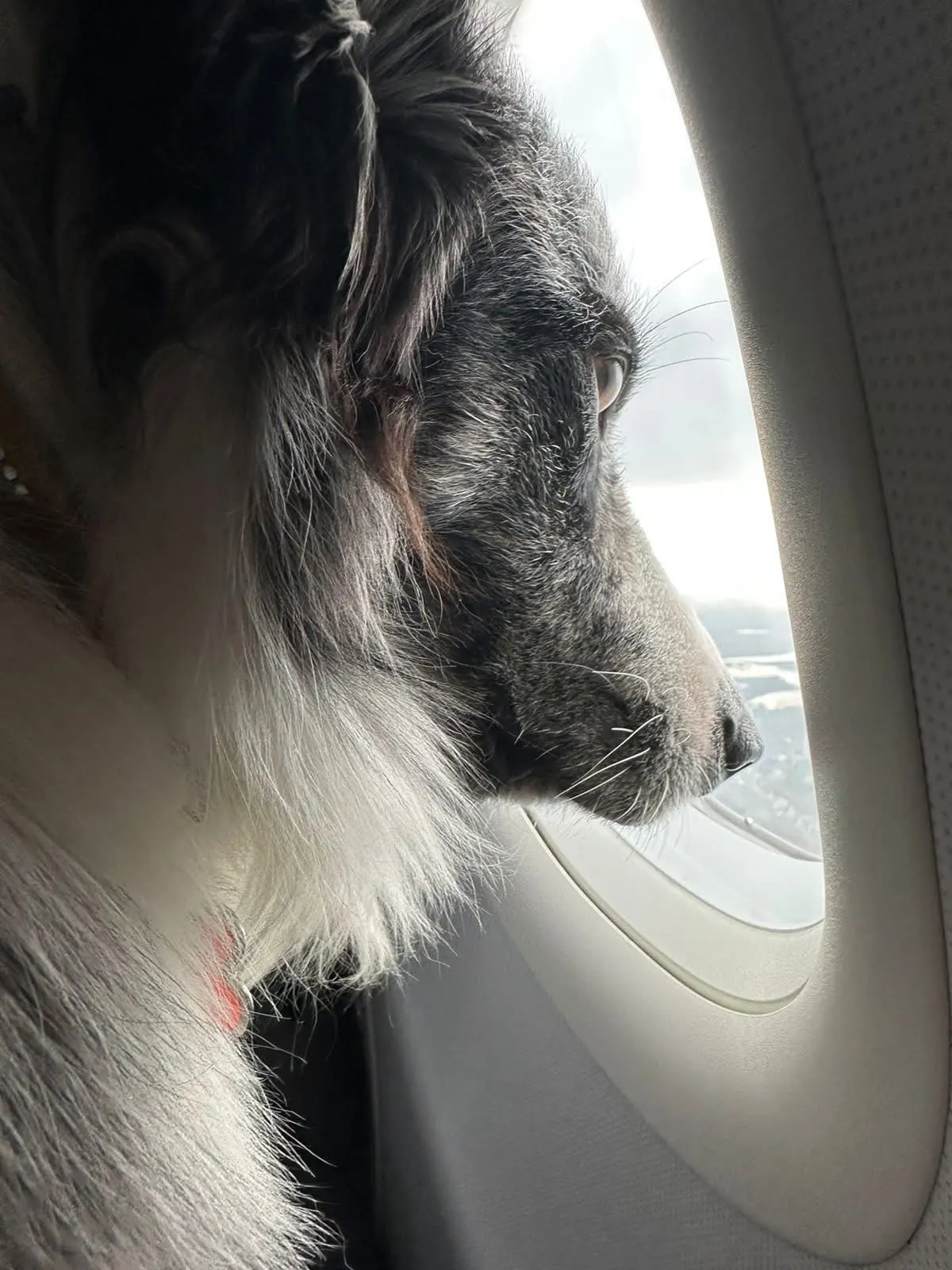
Scope: dogs and cats entering Japan. Photograph from our travel archive; it does not identify a Japan itinerary.
1. Choose the right entry pathway
Start with your pet’s residence and travel history. Japan has a separate procedure for its designated regions: Iceland, Australia, New Zealand, Fiji, Hawaii, and Guam. Mainland United States departures are outside that list.
Official sources: Japan AQS: designated regions.
From a designated region
For the standard designated-region pathway without extended detention, your pet must have lived continuously in a designated region since birth, for at least 180 days immediately before export, or since direct import from Japan. If none applies, AQS may require detention to make up the residence shortfall. A flight connection alone does not establish eligibility.
If this itinerary transits a non-designated region, AQS requires either a government-sealed transport cage or the prescribed additional transportation certificate (ANNEX). Confirm the arrangement with AQS before travel.
Official sources: Japan AQS: importing from designated regions.
From other regions
Use the preparation sequence below for a first-time import from a non-designated region. Existing records and a previous export from Japan can affect the assessment; send the complete history for review.
2. Build the preparation timeline
- Identify your pet first. An ISO 11784/11785 microchip is the standard starting point, before the first qualifying rabies vaccination.
- Complete the vaccination sequence. The first qualifying dose is at age 91 days or older. The second is at least 30 days later, while the first remains valid. Keep subsequent coverage continuous.
- Arrange the antibody test. Blood is sampled after the second dose; the same day is allowed. Use a designated laboratory. The result must reach at least 0.5 IU/ml.
- Calculate the arrival date. Wait at least 180 days after blood sampling, counting the sampling date as day zero. The test remains valid for two years from blood sampling. Your pet must arrive while both the test and rabies vaccination are valid; confirm the final eligible arrival date with AQS.
- Notify AQS. Submit advance notification to the arrival office at least 40 days before arrival. Review the approval and any instructions it provides.
Official sources: Japan AQS: importing from non-designated regions.
Check the vaccine product with your veterinarian. AQS accepts qualifying inactivated or recombinant rabies vaccines; live-virus and RNA vaccines are not accepted. See the detailed AQS guide for accepted products and vaccination-history exceptions.
Our planning recommendation
Make a single record of the microchip number, vaccination dates and validity, blood-sampling date, and intended arrival. Have the sequence reviewed before booking. Starting with the flight date can leave too little time for preparation.
The testing laboratory matters: ask your veterinarian to check the current AQS designated laboratory list before sending the sample.
Microchip numbers: a dated AQS alert
Official alert · December 19, 2025
AQS has flagged cases of the same microchip number appearing in different animals. An affected pet may need a new microchip and repeated preparation. Submit the advance notification promptly once the import timing is known, so AQS can review the records.
This is not a blanket rejection of every microchip number starting with 900. A separate AQS notice, dated April 7, 2023, says numbers beginning 900202 are not accepted for identification while their validity is investigated. Ask AQS to check the actual identifier before proceeding.
Official sources: Japan AQS: official import notices (Japanese).
3. Prepare the certificate and arrival file
AQS recommends its Form AC for imports from non-designated regions. A private veterinarian can complete it, but the exporting country’s competent government authority must endorse it; an official veterinarian can issue the certificate directly where applicable.
The pre-export clinical inspection is within 10 days before boarding. It checks for clinical signs of rabies in dogs and cats, and leptospirosis in dogs. Ask the arrival office to review draft paperwork before endorsement, when corrections are easier to arrange.
- Government-issued or endorsed health certificate.
- Original rabies antibody test report, where required.
- AQS advance-notification approval.
- Supporting microchip and vaccination records.
- Arrival inspection application, plus an authorization or air waybill when applicable to your arrangements.
Keep the documents with the person or transport arrangements responsible for presenting your pet at inspection. Agree this handover explicitly.
Official sources: Japan AQS: detailed import guide (PDF).
4. If your pet is departing the United States
Use the USDA APHIS Japan page alongside the Japanese instructions. Arrange certification through a USDA-accredited veterinarian and the required APHIS endorsement. For dogs and cats, the veterinarian can use the VEHCS electronic system.
APHIS allows digital endorsement for these certificates, but a printed, endorsed copy must accompany the animal. An electronic workflow does not mean a phone screenshot is enough for travel. Hawaii and Guam have a separate pathway on the USDA page, subject to the applicable residence conditions.
Official sources: USDA APHIS: taking a pet from the United States to Japan.
Our U.S. departure guide helps connect this paperwork with the rest of your move.
5. Confirm the flight and arrival arrangements
Build two connected plans: entry preparation for Japan and transport arrangements for the actual itinerary. Ask the operating airline to confirm pet acceptance, the travel format, container requirements, connections, and the arrival handover before paying for the journey.
A photograph of a dog in a cabin is a record of that particular trip. It does not establish that the same arrangement will be accepted for another pet or flight. For your move, we assess the route and agree the services in the transport proposal.
Send us the departure country and city, destination in Japan, preferred dates, species, breed, age, weight, and existing travel records. Tell us whether you will travel with your pet and who will receive them.
6. What happens on arrival?
AQS checks both the pet and the exporting authority’s certificate. When the conditions for the within-12-hour quarantine category are met, its FAQ says the inspection usually takes less than an hour, though it can take longer. This is not a guaranteed collection time.
If preparation is incomplete, detention quarantine can be required. A shortfall in the waiting period is not resolved by a reassuring airline booking. Discuss any problem with AQS before departure and allow flexibility for the arrival handover.
Official sources: Japan AQS: dog and cat import questions.
Questions before you book
Can I notify AQS before my flight is confirmed?
Yes. AQS allows an estimated flight number or “to be determined” in the notification, followed by an update once confirmed. Follow the arrival office’s instructions for modifications; do not assume an earlier arrival will be accepted.
Can I complete the import procedures myself?
Yes. AQS says owners can carry out import procedures themselves. Our service can organize the agreed transport, preparation timetable, and handovers if you would like the move coordinated.
Does a cabin booking replace the entry requirements?
No. Have the import paperwork and the operating airline’s acceptance checked separately. A transport booking does not provide government import clearance.
Official sources: Japan AQS: dog and cat import questions.
Related update: Japan’s September 2026 notice on pet exports from Uzbekistan.
Official sources and scope
Prepared by Pets Delivery Expert for owners planning to bring dogs or cats into Japan. Sources checked . This guide summarizes the standard pathways; AQS assesses the individual animal and records. Use its current instructions and contact the intended arrival office about exceptions, changed plans, or returning pets.
- Japan AQS: importing from non-designated regions
- Japan AQS: importing from designated regions
- Japan AQS: designated regions
- Japan AQS: detailed import guide (PDF)
- Japan AQS: dog and cat import questions
- Japan AQS: designated rabies testing laboratories
- Japan AQS: offices and arrival-port contacts
- USDA APHIS: taking a pet from the United States to Japan
- Japan AQS: official import notices (Japanese)
Have a question or spot a changed requirement? Email our team with the official source or the details of your planned move.
LET’S ARRANGE THE JOURNEY
Your companion.
Your next chapter.
Tell us where your pet is and where they need to go. We will organize the journey around them.
Start with the route
Share your departure and destination cities, your pet’s breed and weight, your preferred dates, and whether you will travel together. We will assess the route and prepare a transport proposal with the services included.
Request a route & quote